
Since its launch in 2024, the CircuWasteVETAfrica project has been working to strengthen the connection between vocational education and the growing needs of the circular waste economy across Africa.
Now, the project is moving a step further by transferring skills needs and training results into practical services that can connect vocational education training (VET) institutions closer to employers, communities and public authorities.
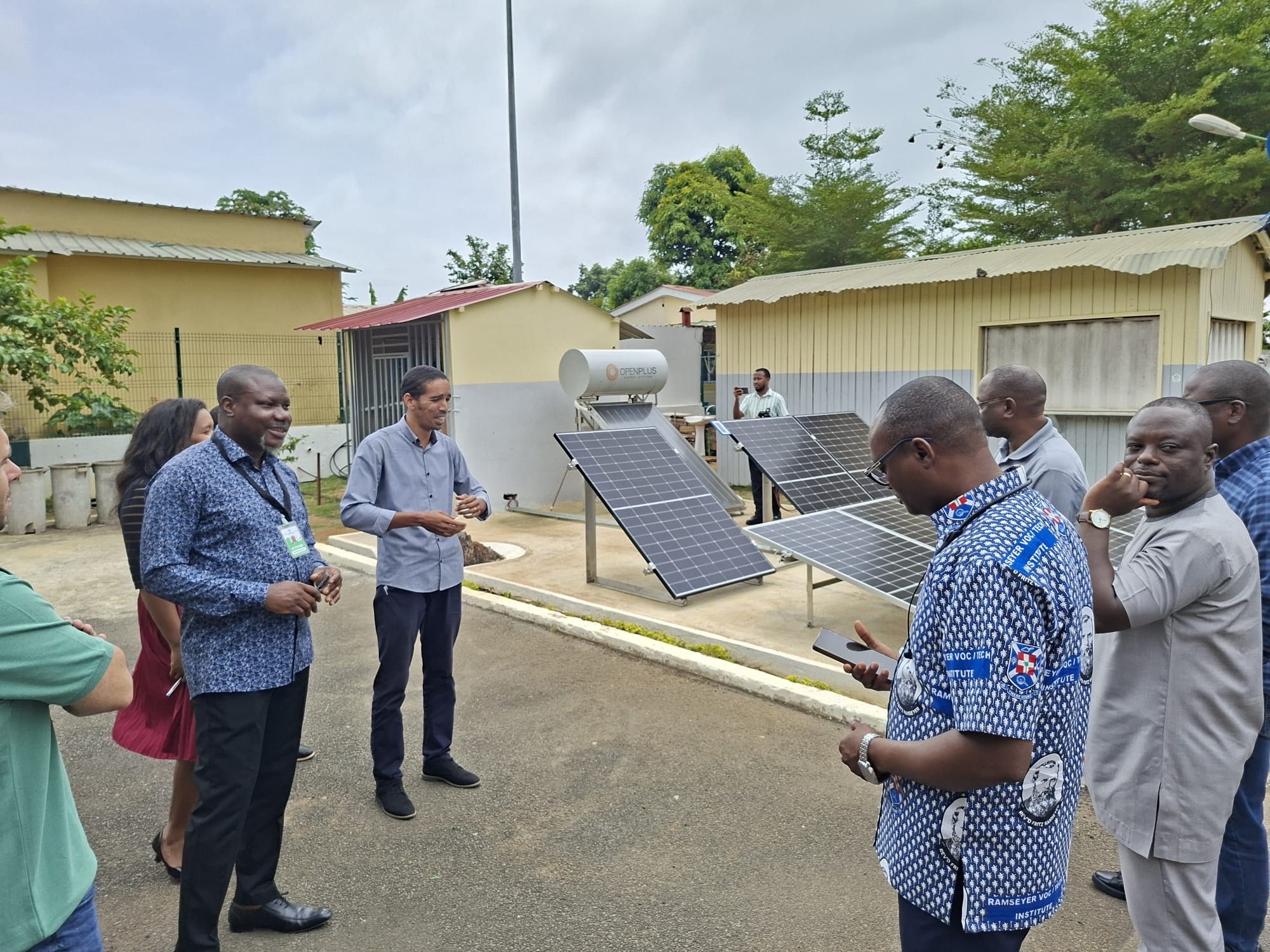
The latest Added Value Services Compendium proposes services that are offered by VET providers and partners in Angola, Ghana, Namibia and São Tomé and Príncipe. The objective is to transform the knowledge and competences developed through the project into structured services that can support green skills, employment, entrepreneurship and improved waste management practices.
What skills does the circular waste sector need, and are VET institutions equipped to provide them?
The project began to address this by mapping stakeholders involved in waste generation, collection, management, recycling, training, regulation and employment.
This was followed by a skill gap analysis involving 24 organisations across the four countries. The exercise identified demand for skills in sustainable business practices and digital waste management tools for recycling and waste reduction.
These findings provided the evidence for designing services around real market needs through the Train-the-Trainer programme, which became an important foundation for this process.
Through six main modules covering pedagogical skills, circular waste management, circular business models, micro entrepreneurship, innovation and public-private collaboration, trainers developed competences that can be applied through new institutional services.
In recent planned workshops, rounds led, and meetings, the project has now uncovered a portfolio of services that reflects the priorities of each country.
In Ghana, the focus is on practical industry engagement, including structured internships, circular product development, entrepreneurship, textile upcycling and opportunities for institutional exchange.
Angola’s proposed services combine practical waste management training, environmental education, waste separation, professional integration and entrepreneurship, with structured internships providing a pathway towards employment.
The approach explored in São Tomé and Príncipe includes the valorisation of fish waste and agro-industrial residues, alongside work-based learning and green entrepreneurship.
In Namibia, the portfolio connects curriculum development with continuing professional development, structured internships, environmental compliance, career awareness and the anticipation of emerging green skills.
These proposed services are intended to create value such as: internships and work-based learning, waste valorisation, circular product development, technical assistance and green entrepreneurship support.
Check each country’s proposed services and analysis report here.