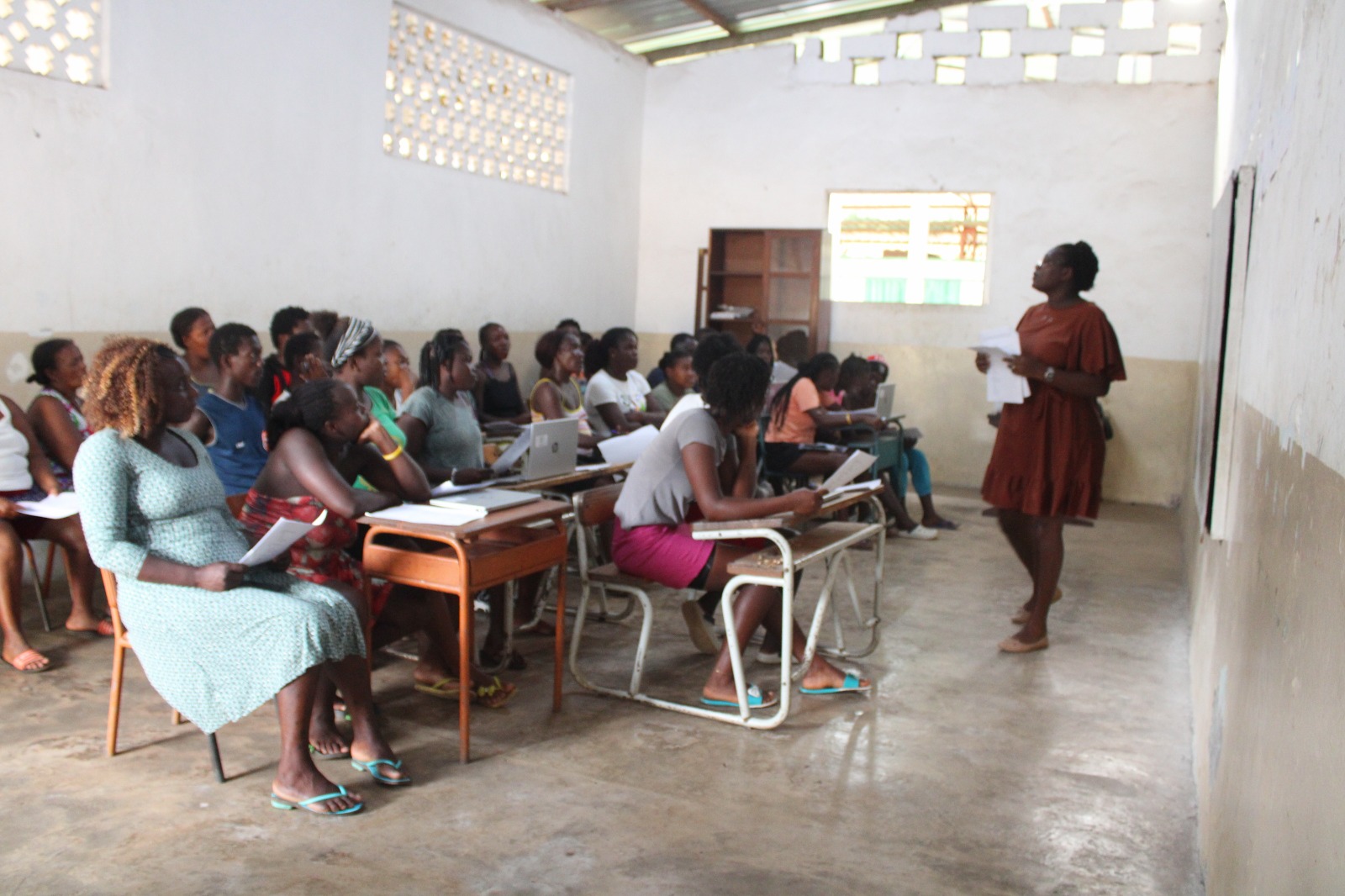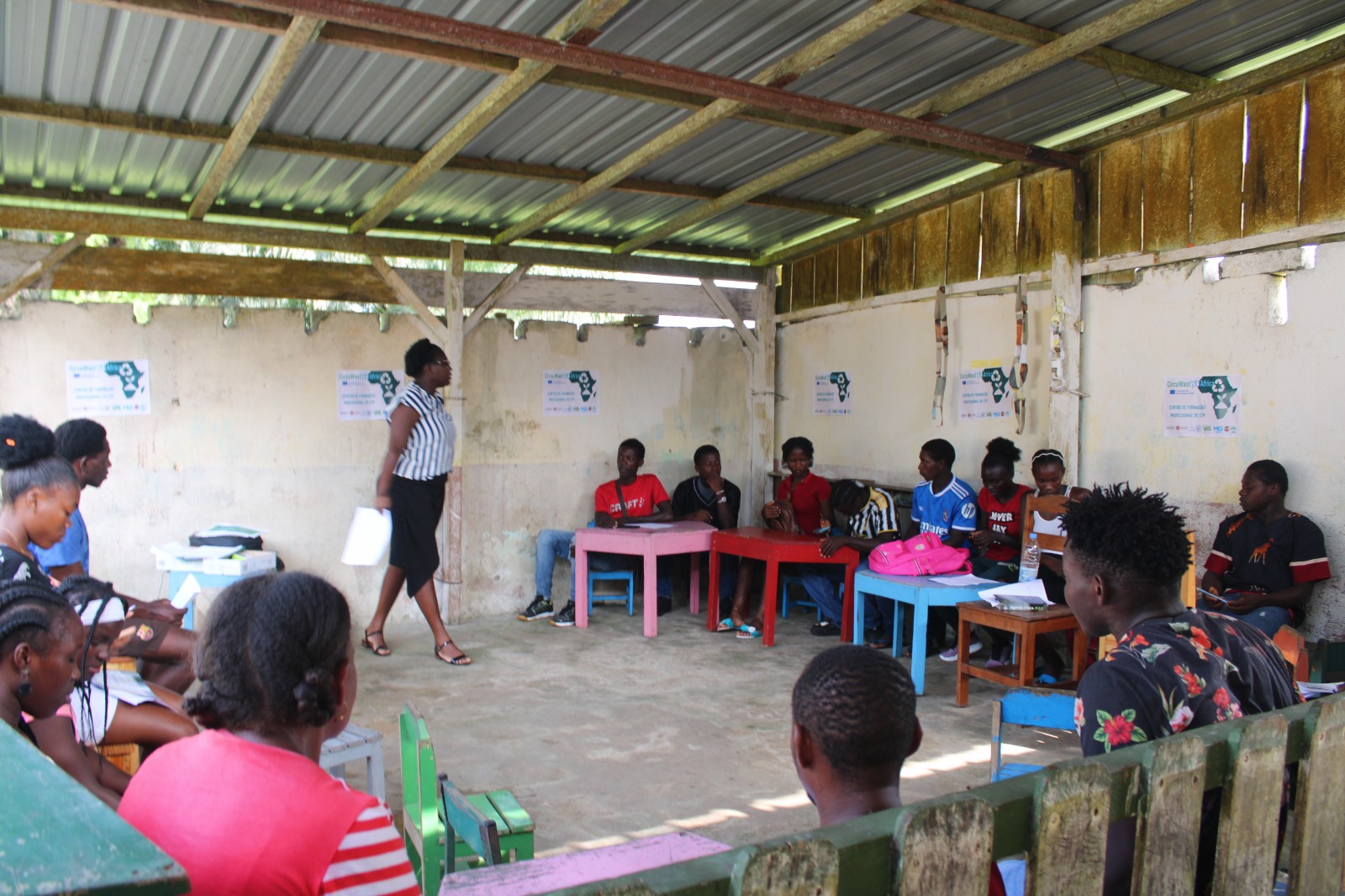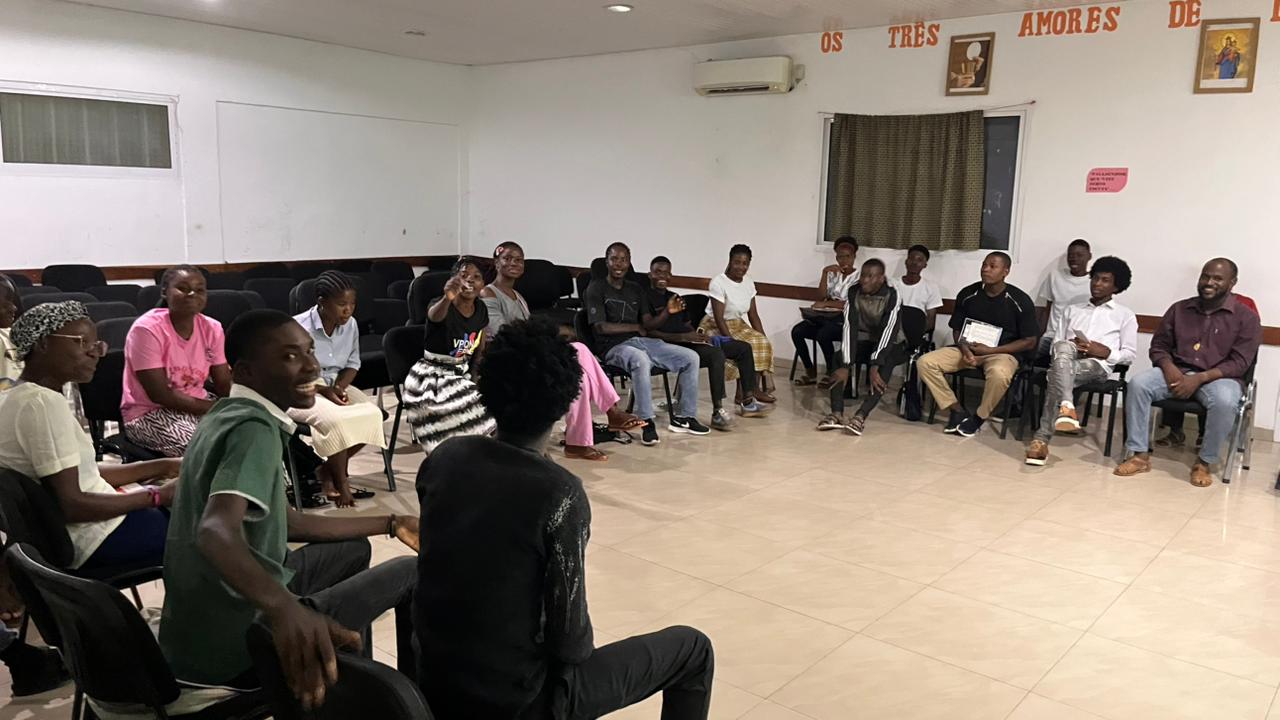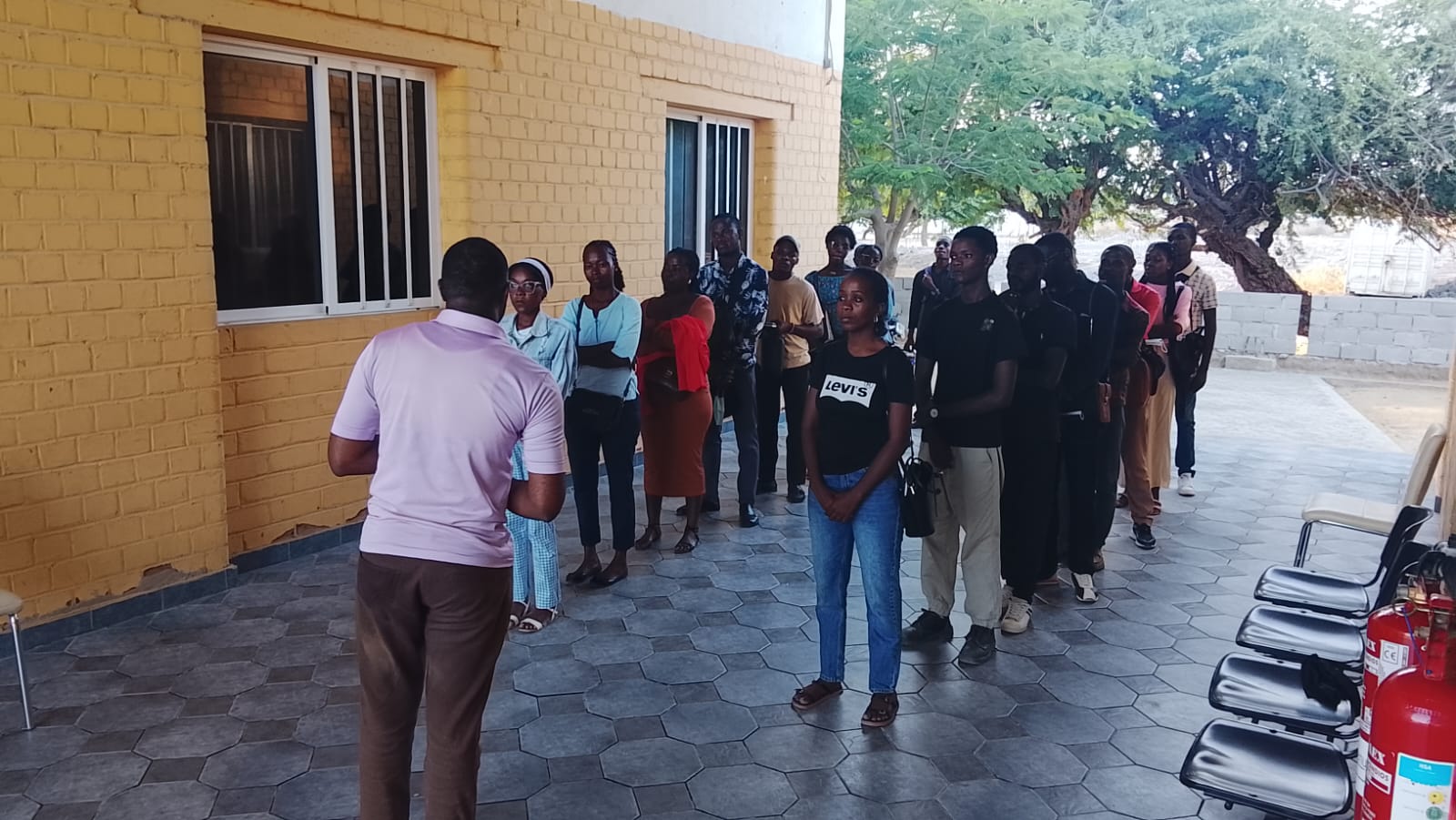
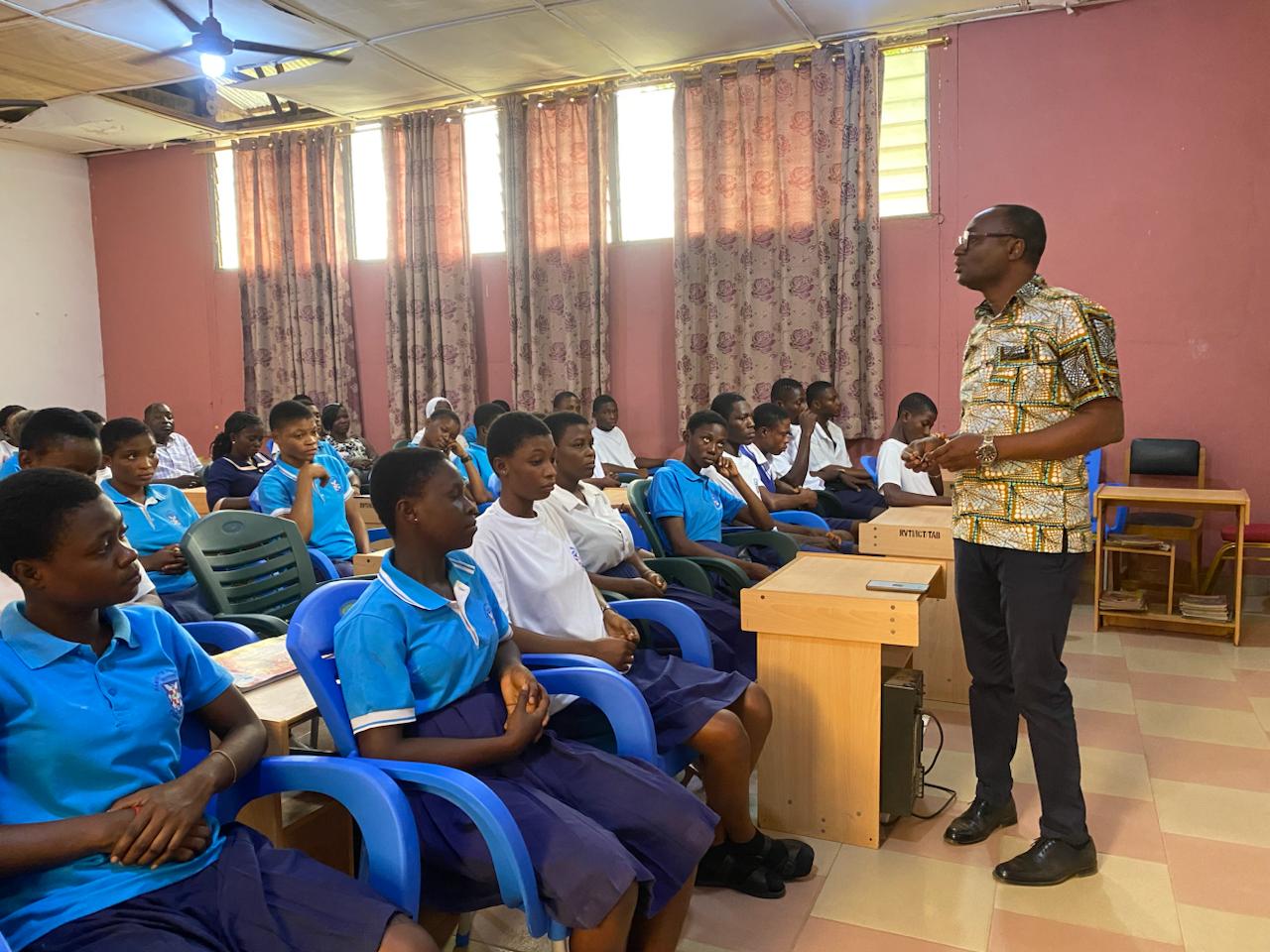

On the 18th of February, 2026, the CircuWasteVETAfrica programme officially kicked off its student pilot programme with the enrolment of 150 learners across Ghana, Angola, and São Tomé and Príncipe
The 3-month programme aims to equip young people with practical skills in green waste management, frugal innovation, and micro-entrepreneurship within the circular economy framework. These courses are co-developed by the Technical and Vocational Education and Training (TVET) trainers who had previously completed the CWVA Train-the-Trainer programme in December, 2025 to reflect both the project methodology and local labour market needs.
Following an online open call, the project’s TVET partner institutions conducted a comprehensive recruitment process to identify suitable candidates. Prerequisites included educational background, prior experience in waste or environmental-related activities, alignment of interests and hobbies with the programme focus, and demonstrated commitment. Applicants were also advised to declare their socio-economic background.
This was used to give priority to applicants who are of a low-income background.
The screening and recruitment process was led by partner institutions in each country: Presbyterian Relief Services and Development (PRSD) and Ramseyer Technical Institute in Ghana, Benguela Dom Bosco Technical and Training Centre and Dondo Dom Bosco Technical and Training Centre in Angola; and Centro de Formação Profissional de São Tomé e Príncipe in São Tomé.
In all three countries, recruitment combined digital outreach with community-based engagement to ensure inclusivity and broad participation. In São Tomé, where access to digital channels is limited, the team led by Milton Lima coordinated a physical community outreach to reach minorities. From more than 500 applications, 50 future students were selected in each country.
During the selection process, emphasis was placed on inclusivity, ensuring gender balance across all participating countries, with special attention and assistance provided for students who struggle to read and write.
In the coming months, students will undergo this training and prepare a final project and group work as instructed by their trainers, ultimately giving them better employment opportunities in the labour market and fostering local green businesses that contribute to more sustainable waste management systems.